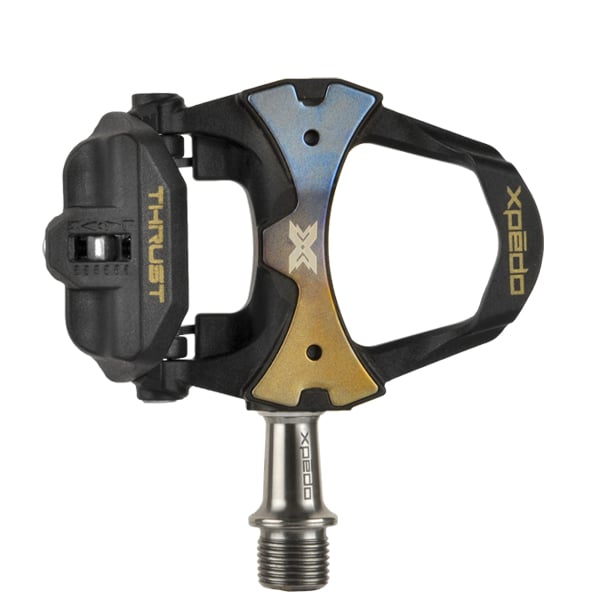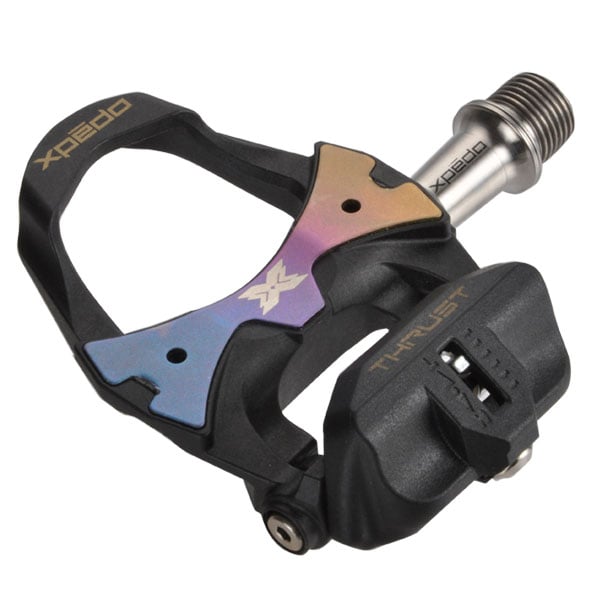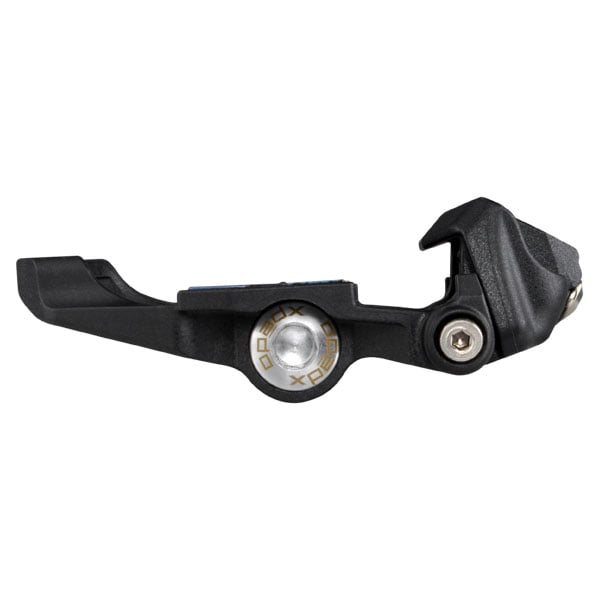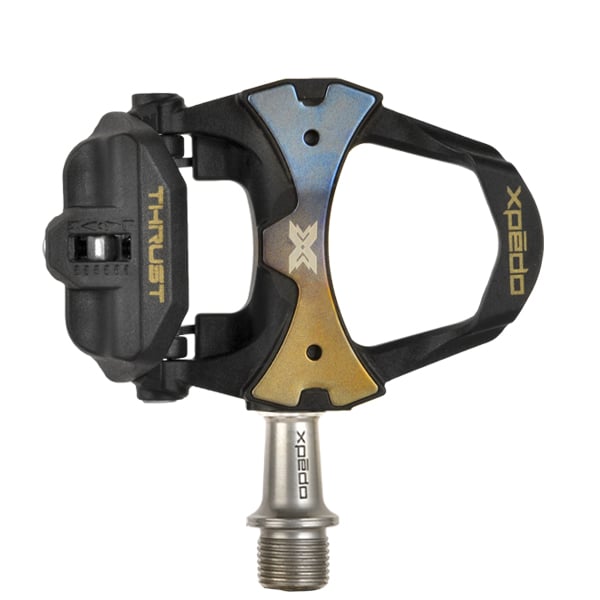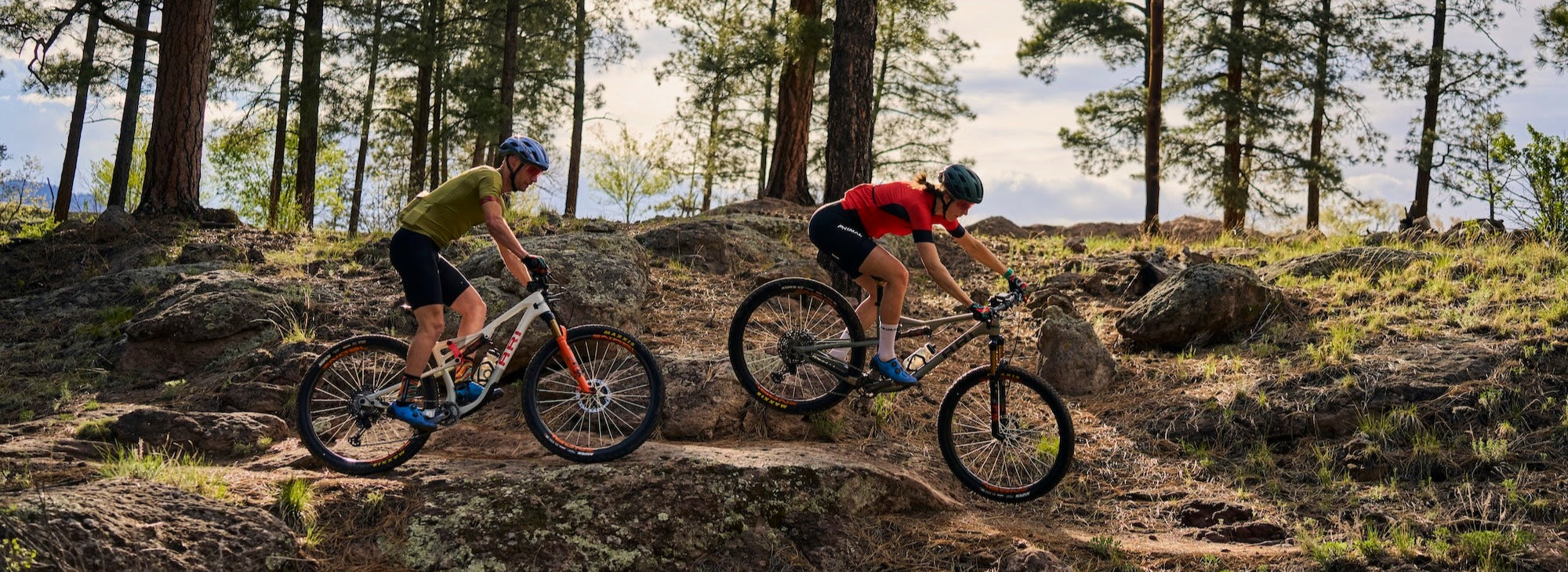
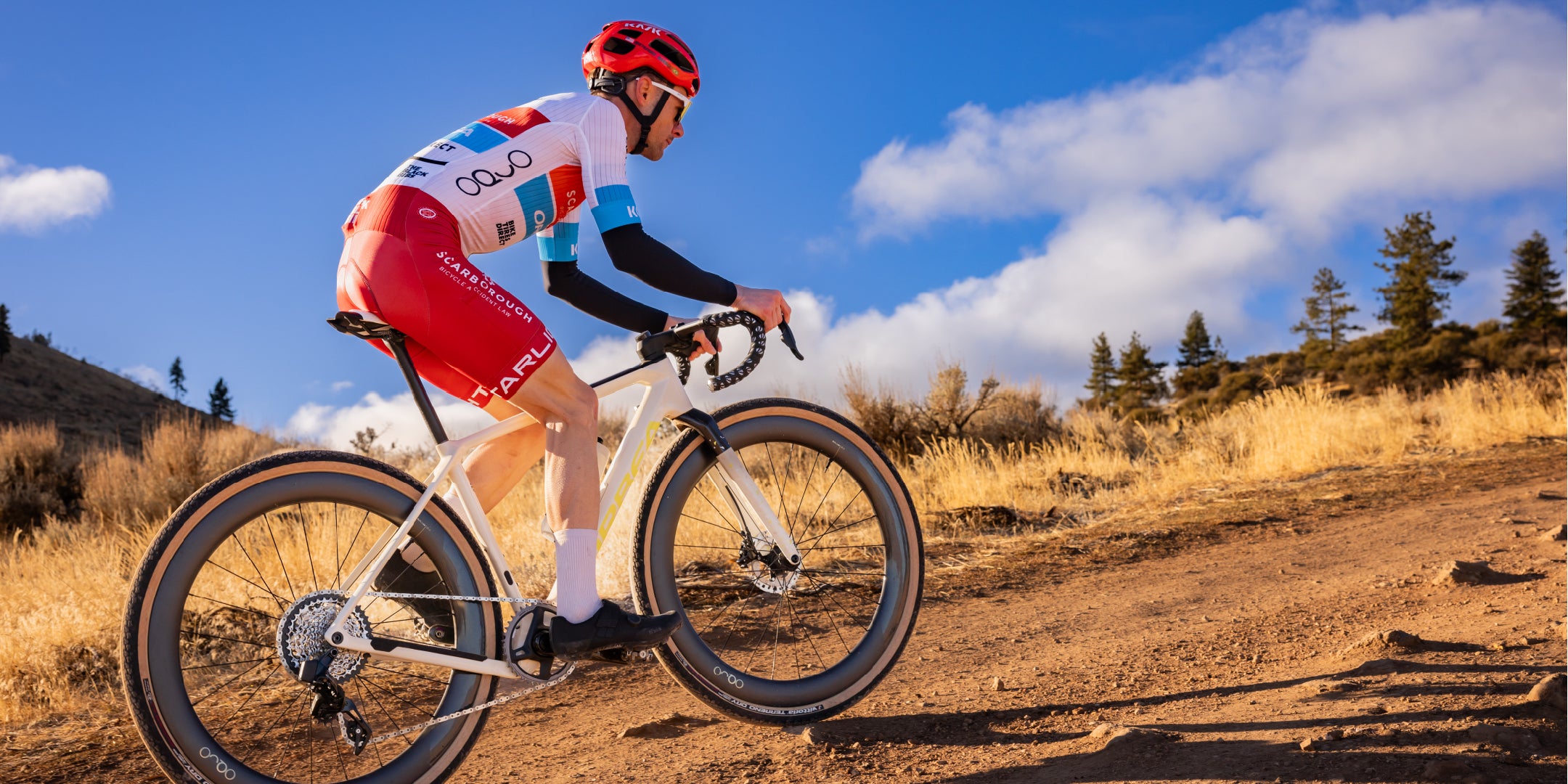
My name is Stefano Barberi, and I’m a full-time professional gravel and mountain bike racer. The 2026 season will be my 7th year racing on Xpedo pedals, and during that time I’ve developed a clear sense of how each pedal system performs across different conditions and event types. Xpedo builds high-quality pedals for every riding style, and the breakdown below explains how I personally choose between their 3-bolt road pedals (Sonik, Thrust 8) and their 2-bolt MTB pedals (M-Force 8) for gravel and MTB racing.

Why I Choose Road Pedals
I use the road system in dry, predictable conditions where I do not expect to unclip or walk at any point. The wider platform gives me a secure, supportive connection that feels ideal for speed-focused efforts.
They are also slightly lighter than the MTB pedals—about 25 grams per pair—although once cleat weight is factored in, the overall pedal and cleat system is similar but once you include road shoes, the overall system weight is significantly lower.
Shoe Considerations
Road shoes typically offer:
- More stiffness, which helps maximize power transfer
- More model options across brands
- Lower overall weight compared to MTB shoes
If every watt matters—especially in a race scenario—road shoes provide a tangible advantage. This combination of stiffness and weight savings is one of the reasons I rely on this setup for most race-focused riding.
How Often I Use Them
Even as a gravel and MTB athlete, I personally ride and race with road shoes and pedals for about 70% of my total riding. When conditions allow, the performance benefit is significant.

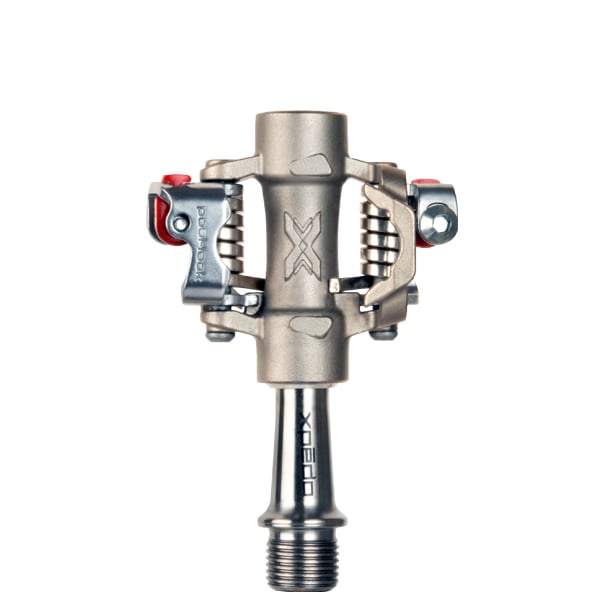
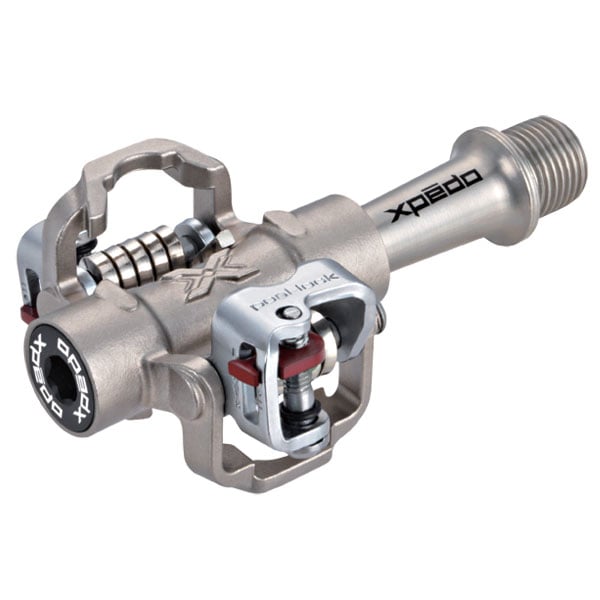
MTB/Gravel System: Xpedo M-Force-8 (2-Bolt Cleats)
The M-Force 8 uses the 2-bolt SPD-style cleat, giving you walkability, reliability, and mud clearance—all essential when terrain or conditions become unpredictable.
When I Choose MTB Pedals
If there is any chance of:
Mud or wet conditions
- Hiking or running with the bike
- Technical terrain requiring frequent unclipping
- Freeze-thaw, snow, or variable weather
- Walk sections in a race or training ride
…then I choose the MTB pedals without hesitation.
The double-sided entry and mud-shedding design are big advantages once things get messy.
Shoe Considerations
MTB shoes are usually:
- Slightly less stiff, improving comfort over long distances
- Better for walking or running during hike-a-bike sections
- More stable on uneven terrain or slick surfaces
If comfort and durability matter more than pure stiffness—such as in ultra-distance or unpredictable events—MTB shoes shine.
The Safer Bet
If you’re unsure about conditions or course layout, always bring the MTB pedals and shoes. You can do 100% of your riding on the MTB system, but you cannot do 100% of your riding on road pedals. When in doubt, the MTB setup keeps you out of trouble.
How I Make the Final Call
Choose 3-bolt road pedals (Sonik or Thrust 8) when:
- Conditions are clean, dry, and predictable
- You do not expect to unclip
- Power transfer and efficiency are top priorities
- You want the benefit of lighter, stiffer road shoes
Choose 2-bolt MTB pedals (M-Force 8) when:
- Conditions may be muddy, wet, or mixed
- The course includes walking or hike-a-bike
- You want all-day comfort for long-distance events
- You need the most dependable and versatile setup
- You are unsure about conditions and want the safest choice
Final Thoughts
After years of racing and training across all types of terrain, the difference between Xpedo’s road and MTB systems comes down to practicality. Road pedals deliver unmatched efficiency when the environment is controlled. MTB pedals provide reliability and versatility when real-world conditions take over.
Both systems are exceptional—it’s simply about choosing the right tool for the day.
Shoe Considerations
Road shoes typically offer:
- More stiffness, which helps maximize power transfer
- More model options across brands
- Lower overall weight compared to MTB shoes
If every watt matters—especially in a race scenario—road shoes provide a tangible advantage. This combination of stiffness and weight savings is one of the reasons I rely on this setup for most race-focused riding.
How Often I Use Them
Even as a gravel and MTB athlete, I personally ride and race with road shoes and pedals for about 70% of my total riding. When conditions allow, the performance benefit is significant.
Shop Stefano's Gravel Choice
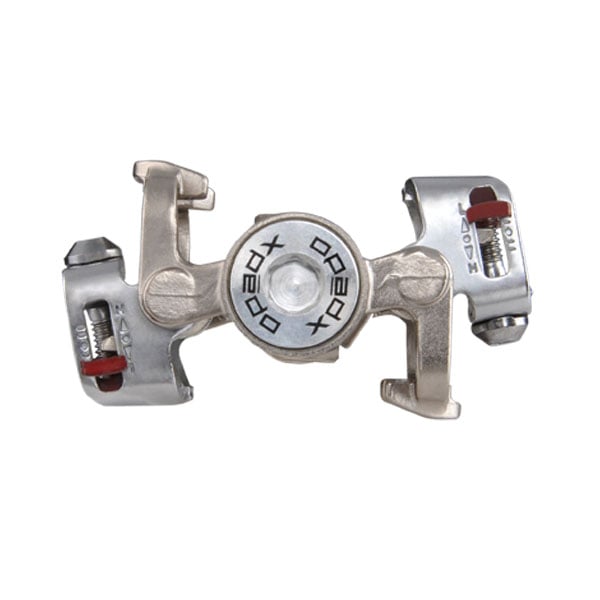
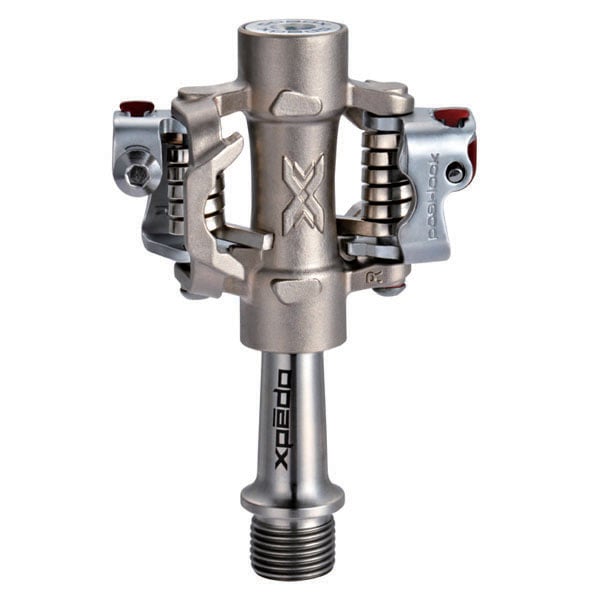
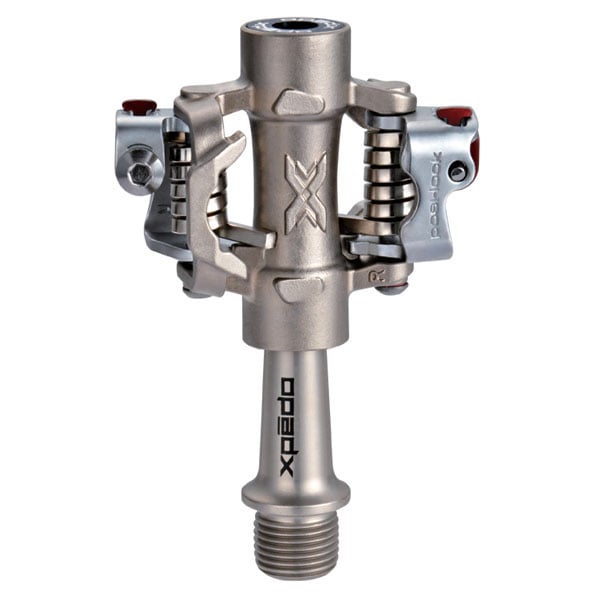
M-FORCE 8
Shop Stefano's Road Choice